Uniform deposition on detailed parts
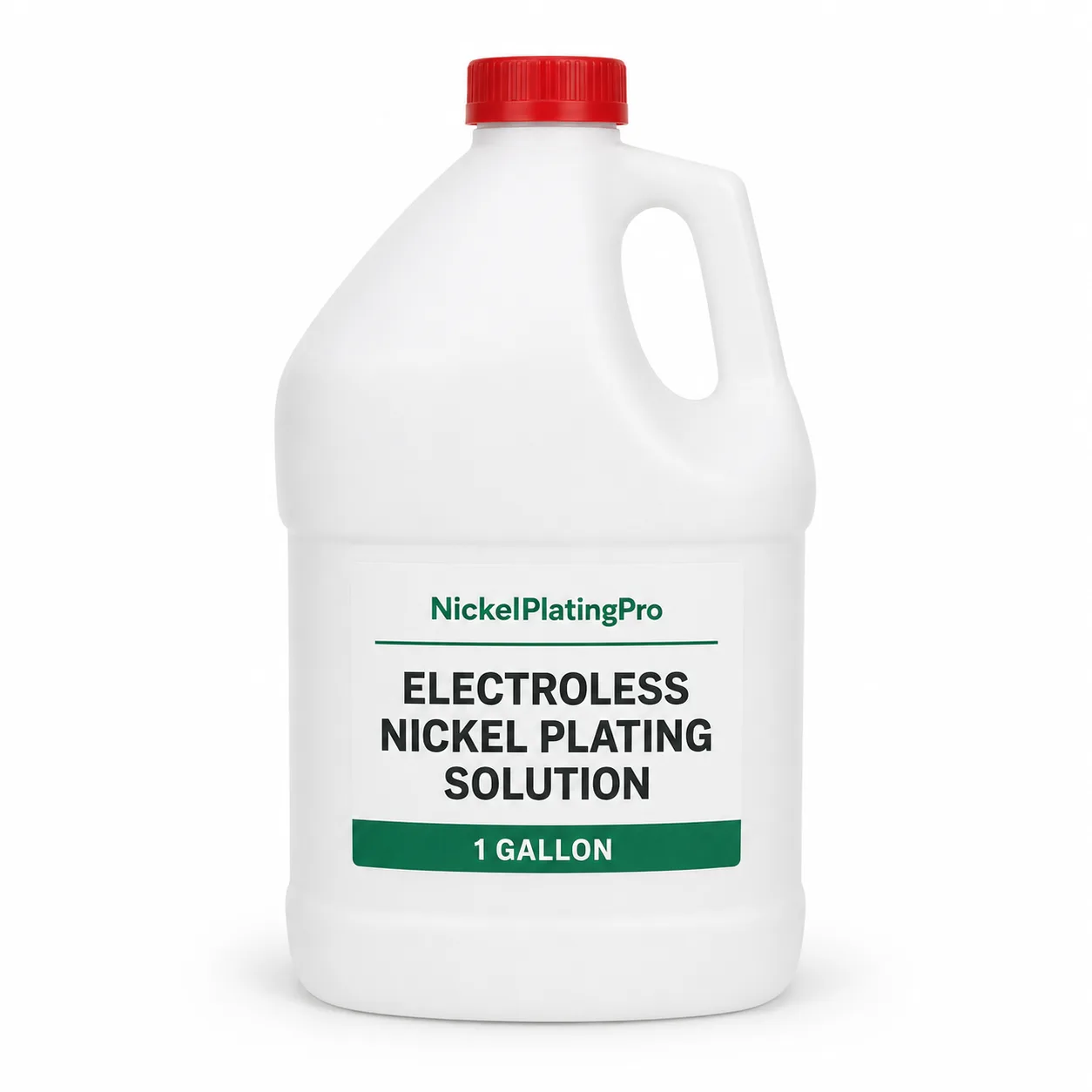
Electroless nickel plating solution deposits nickel through a controlled chemical reaction rather than by sending current from an anode to the workpiece. Because deposition is not governed by electrical current density, the coating can build more evenly across properly prepared surfaces. That makes the process useful when consistent coverage matters more than the edge-heavy build that can occur in conventional electroplating.
Complex shapes, internal corners, recesses, threads, and blind features can all benefit from this uniform-deposition behavior. The bath must still contact the entire active surface, so part orientation, solution movement, and freedom from trapped air remain important. The process does not correct scratches, pits, or poor preparation; the final deposit follows the condition of the substrate beneath it.
Nickel plating without external current
No external electrical current or plating power supply is used for deposition. The chemical bath provides the reducing action, while separate equipment is used to hold and control the operating conditions. Commonly processed base metals include properly prepared steel, copper, and brass, but each substrate may require its own cleaning and activation sequence. Confirm the exact alloy and existing surface finish with technical support before processing an unfamiliar part.
Cleaning and activation are critical. Oil, polishing compound, oxidation, fingerprints, and residue can interrupt the reaction or weaken adhesion. Degrease thoroughly, rinse between steps, use the correct substrate-specific activation process, and transfer the part promptly into the bath. A test coupon made from the same material is a practical way to confirm preparation before working on a valuable component.
Operating control and bath maintenance
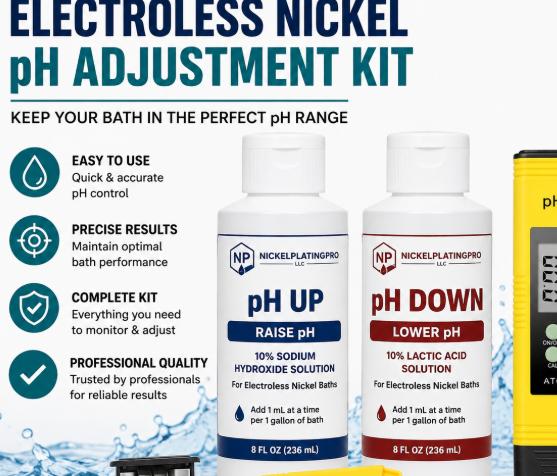
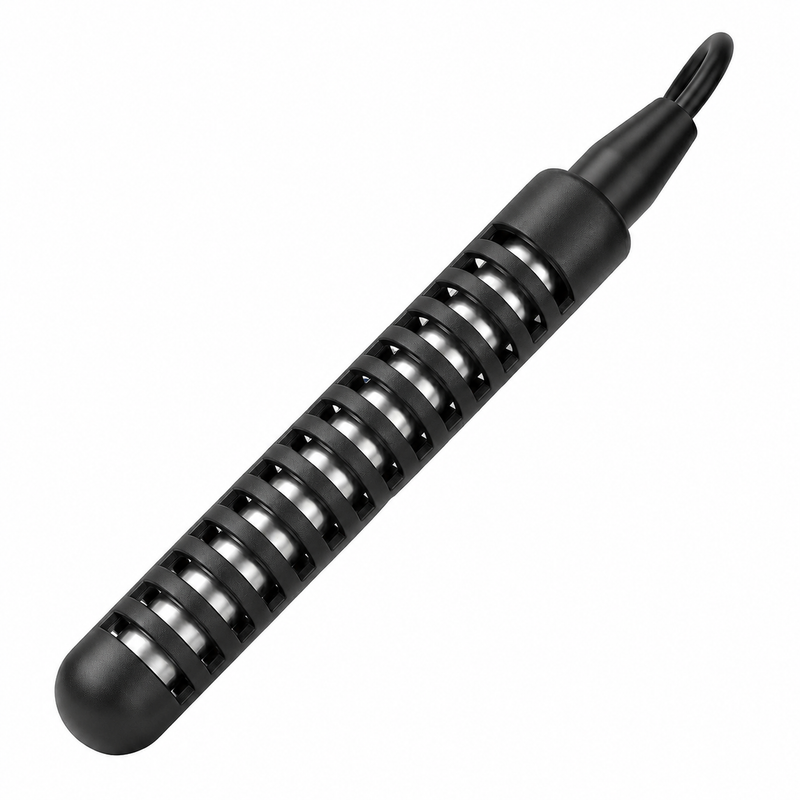
An electroless bath requires disciplined control of its product-specific temperature, pH, loading, solution movement, and processing time. Use compatible, chemically resistant equipment and avoid introducing contaminants from tools, tanks, rinse water, or previously processed parts. Monitor the bath throughout a run, keep accurate records, and follow the included product instructions as the controlling procedure rather than relying on general plating values.
Nickel and reducing components are consumed as parts are plated, while byproducts accumulate over time. Performance can change if the bath is overheated, contaminated, overloaded, or allowed to drift outside its operating window. Replenishment products are available for maintaining compatible electroless nickel chemistry, including a replenishment kit listed in the related products below. Contact NickelPlatingPro with your bath volume, usage history, and current condition before adding replenisher so the appropriate maintenance plan can be confirmed.
Plan each run around the working bath volume and the surface area being processed. Allow space for safe immersion and removal without displacing solution, keep parts from touching the tank, and use fixtures that tolerate the operating environment. Consistent loading makes bath records more useful when comparing results across multiple runs.